Традиційне копченя
Ковбаса” Московська”
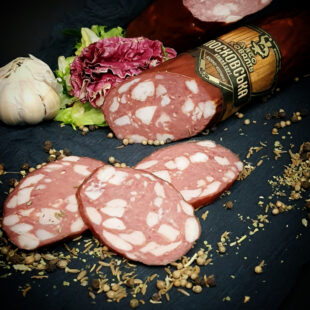
Склад: м’ясна сировина- яловичина, сало хребтове,сіль нітритна, перець чорний, цукор,мускатний горіх,кардамон. Термін придатності до споживання за умови зберігання: від 0 °до 6° -5 діб, у вакуумі або модифікованому газовому середовищі не більше ніж 15діб.
Грудинка пряна свинна
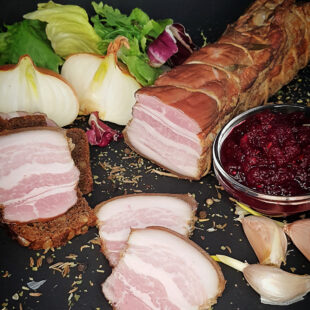
Склад : ( Маринад ) Вода,лавровий лист, духм’яний перець,сіль нітритна, суміш спецій.Термін придатності до споживання за умови зберігання 0°-6° 5діб. У вакуумі або модифікованому газовому середовищі не більше ніж 15діб
Окорок Свинний
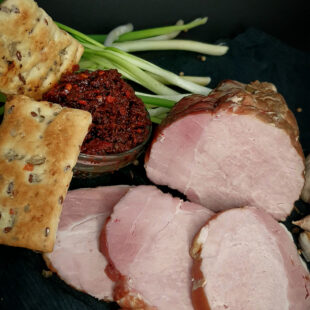
Склад : ( Маринад ) Вода,лавровий лист, духм’яний перець,сіль нітритна, суміш спецій.Термін придатності до споживання за умови зберігання 0°-6° 5діб. У вакуумі або модифікованому газовому середовищі не більше ніж 15діб
Балик “Банкетний”
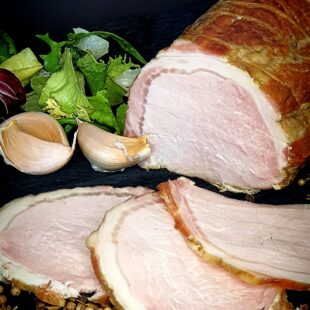
Склад : ( Маринад ) Вода,лавровий лист, духм’яний перець,сіль нітритна, суміш спецій.Термін придатності до споживання за умови зберігання 0°-6° 5діб. У вакуумі або модифікованому газовому середовищі не більше ніж 15діб
Ребро копчене
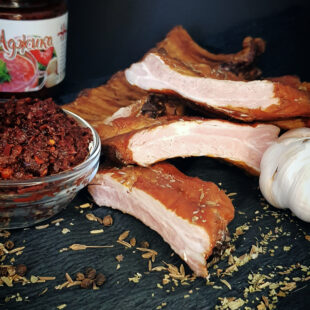
Склад : ( Маринад ) Вода,лавровий лист, духм’яний перець,сіль нітритна, суміш спецій.Термін придатності до споживання за умови зберігання 0°-6° 5діб. У вакуумі або модифікованому газовому середовищі не більше ніж 15діб
Ковбаса Копчена на дровах
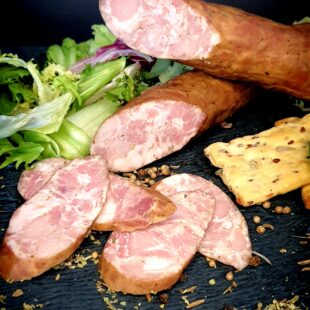
Склад :Свинина напівжирна ,сіль нітритна, часник,цукор,суміш спецій. Термін придатності за умови зберігання: 0°-6° 15діб ,у вакуумі або модифікованому газовому середовищі не більше ніж 25 діб.
Ковбаса”Мелена”
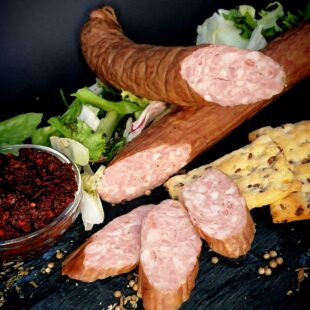
Склад: Свинина напівжирна, та нежирна, вода,сіль нітритна, цукор,перець чорний, суміш спецій. Термін придатності та умови зберігання від 0°-6° 15діб ,у вакуумі або модифікованому газовому середовищі не більше ніж 25 діб.
Домашня Ковбаса
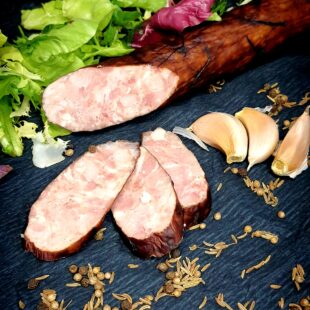
Склад:Свинина напівжирна та нежирна, сіль нітритна, часник, суміш спецій. Термін придатності за умови зберігання від 0°-6°-15діб , у вакуумі або модифікованому газовому середовищі не більше ніж 25діб.